Service design thinking
Looking beyond isolated touchpoints and considering the broader experience ecosystem.
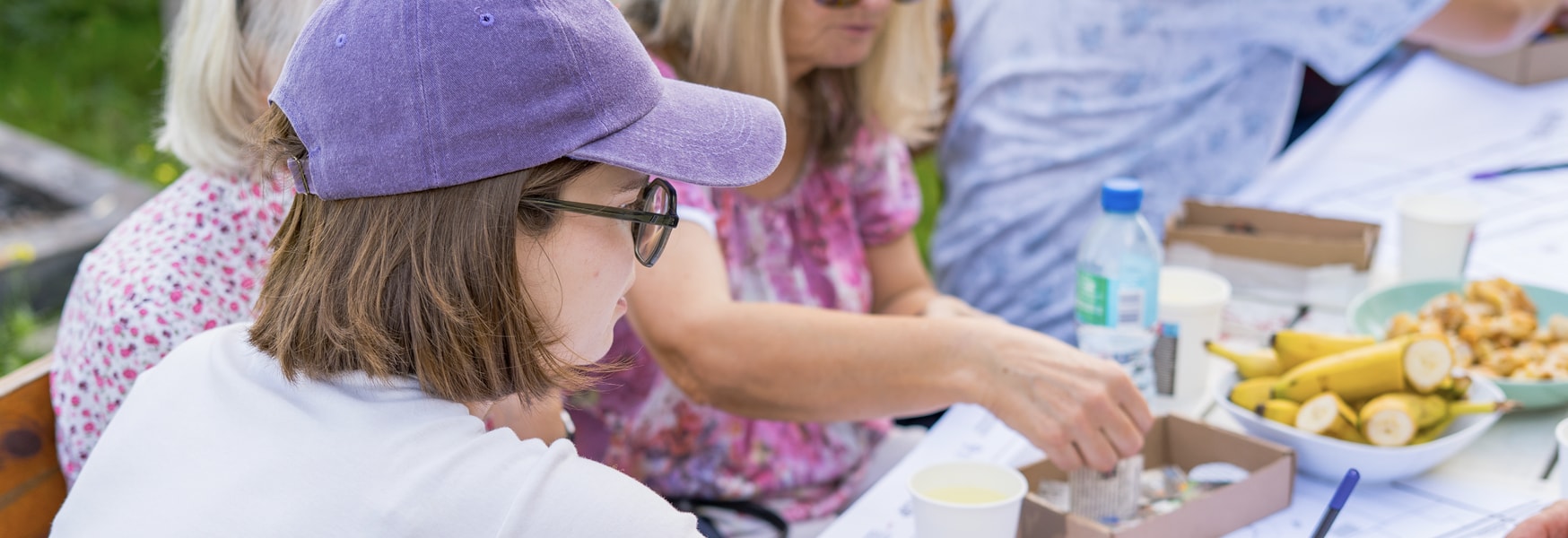
Service design and innovation design for social-impact projects.
The work with Kolab Foundation focused on projects operating in the area of social innovation and collaborative problem solving. These initiatives involved multiple stakeholders, unclear starting points, and problems bigger than any single product. My role was to get those groups to a shared problem definition before anyone designed anything.
This was service design and innovation design work. The core of it was getting multiple stakeholders to agree on what problem they were solving, and only then designing anything. Most days that meant moving between stakeholder conversations, systems thinking, journey analysis, and solution framing.
Looking beyond isolated touchpoints and considering the broader experience ecosystem.
Helping stakeholders align around shared understanding and direction.
Identifying patterns, blockers, and opportunities across complex contexts.
Turning a vague brief into a problem definition people can act on.
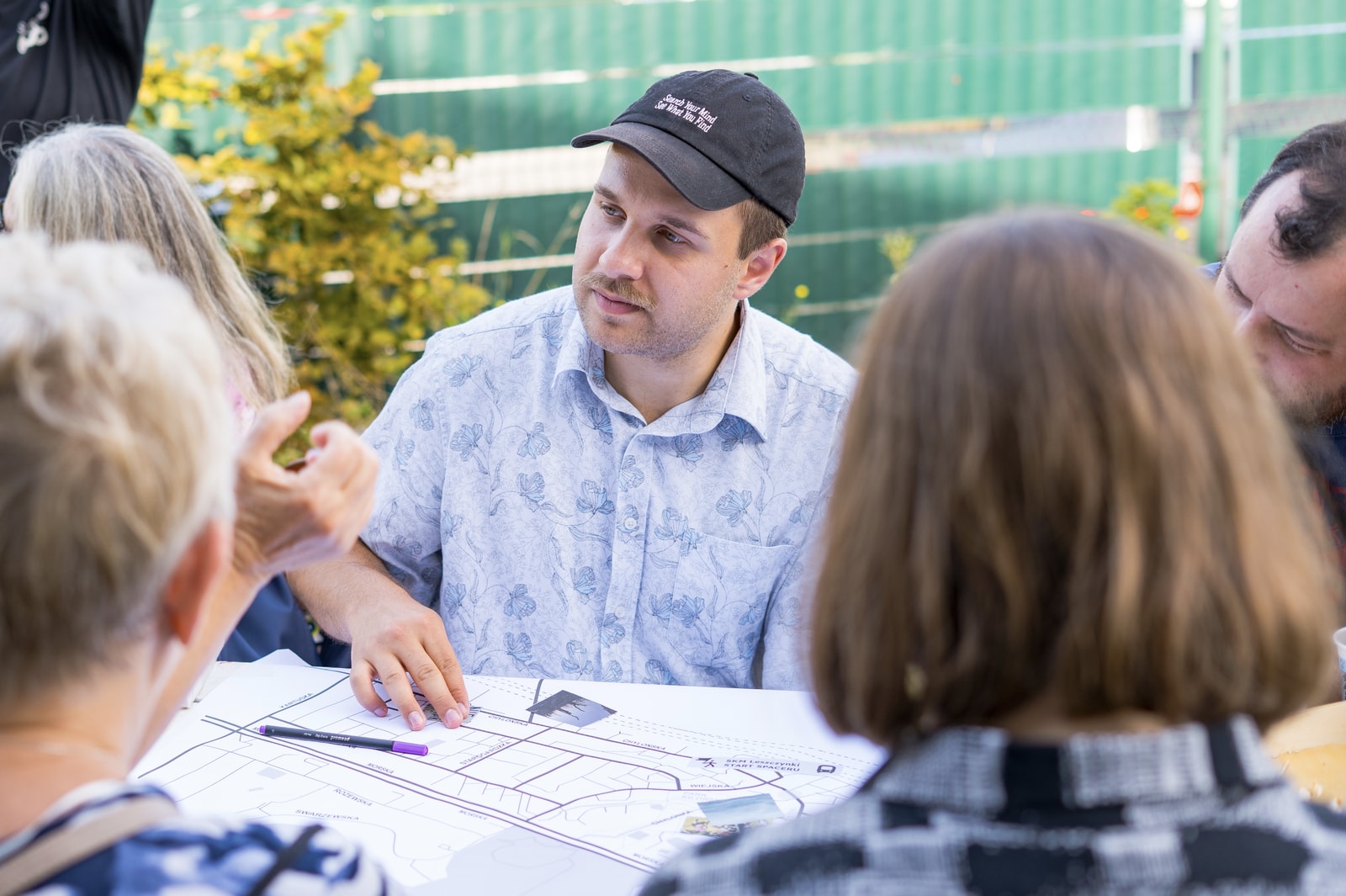
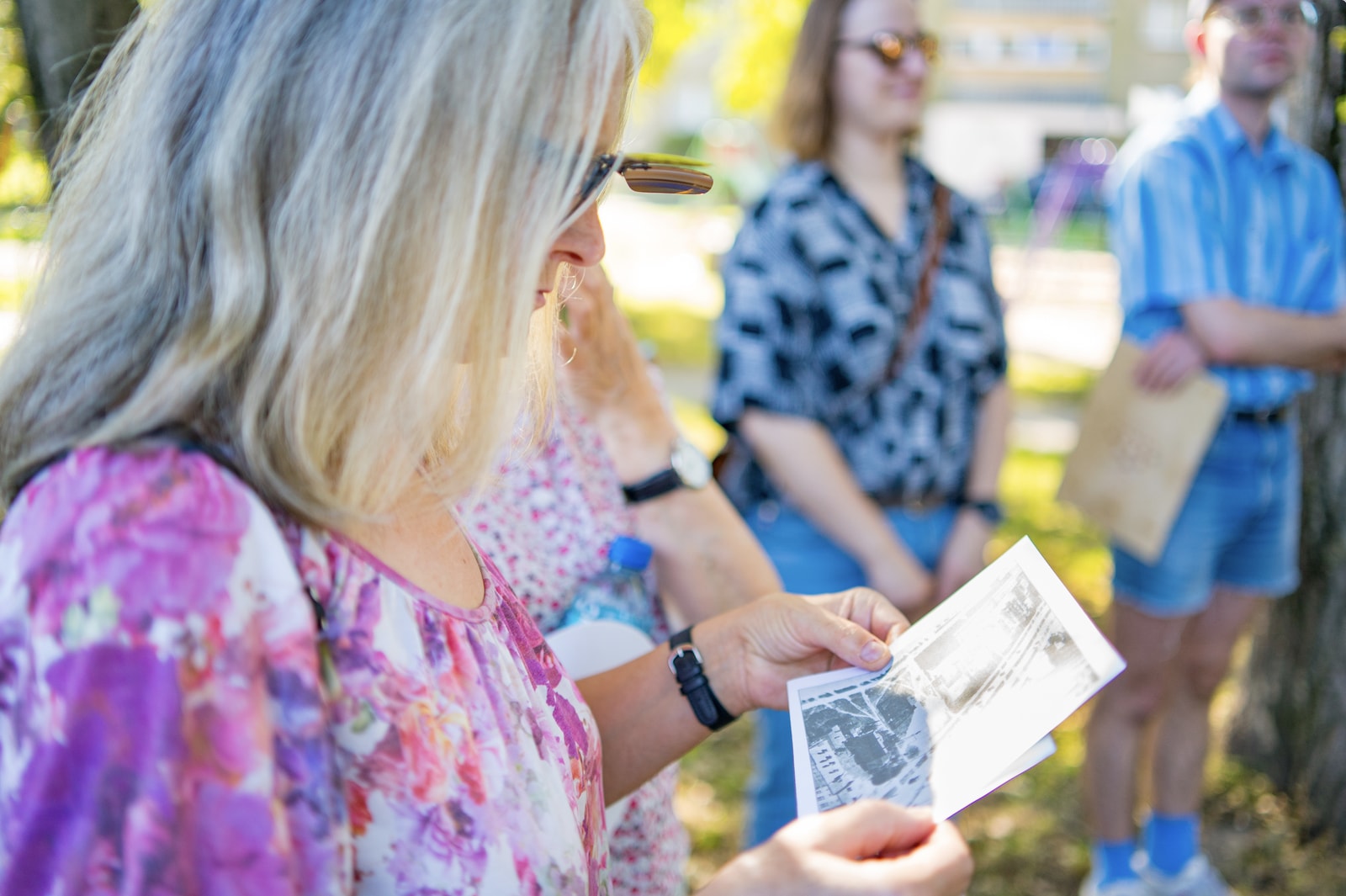
In social-impact projects the scarce resource is rarely design capacity. It's a shared definition of the problem. I ran workshops and used service design methods to get stakeholders to that definition first, because a deliverable built on a disagreement nobody voiced gets quietly abandoned later.
The outcome in this kind of work is a group of organizations that agree, in writing, on which problem their community needs solved first. That agreement is what lets a social initiative outlive the workshop, because the services built on it serve people the stakeholders had been talking past each other about. New service concepts grow out of that agreement instead of out of a guess.